Erfüllt die NIS-2-Anforderungen §38 BSIG
NIS-2-Schulung für Geschäftsführer

Erfüllt die NIS-2-Anforderungen §38 BSIG
2.000+ Kunden vertrauen uns, von Startups bis Großunternehmen
Kompakt und Management-konform
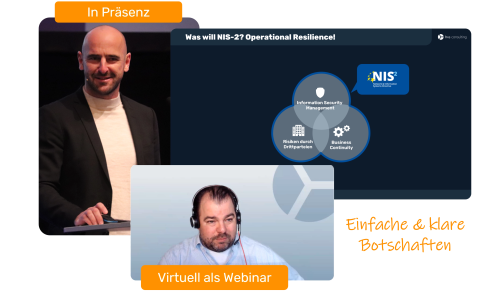
IS-FOX ist die Security-Awareness-Marke des Cyber-Security-Spezialisten HvS-Consulting. Wir sind selbst ISO27001 zertifiziert und haben erfahrene Lead-Autitoren uns ISMS-Berater in unseren Reihen. Gemeinsam mit unseren Lernspezialisten und Trainern haben wir eine Best Practise Schulung erstellt, die alle relevanten Inhalte auf den Punkt bringt - i.d.R. in 90 Minuten. Unsere Referenten haben alle mehrjährige Erfahrung in Management-Schulungen im Bereich Cyber Security.
Operational Resilience
Wie werden Unternehmen resilient?
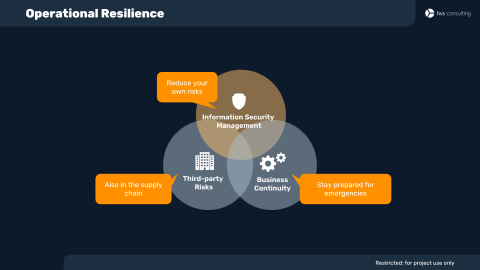
Wir starten mit Best Practice Security Prozessen: wie funktioniert unternehmensweite Sicherheit heute? Wie wird man als Organisation "digital resilient"?
Kernbotschaften:
Was will NIS-2?
Security Best Practice in ein Gesetz gegossen
NIS-2 fordert von betroffenen Unternehmen nichts anderes als Operational Resilience! Das kein "weiteres IT-Gesetz", sondern erzwingt die Umsetzung internationaler Security Standards. Eine gute Sache!
Kernbotschaften:
Wie geht Risiko-Management?
Assets identifizieren, Risiko ermitteln, Maßnahmen ableiten
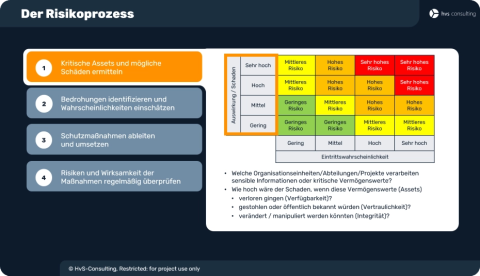
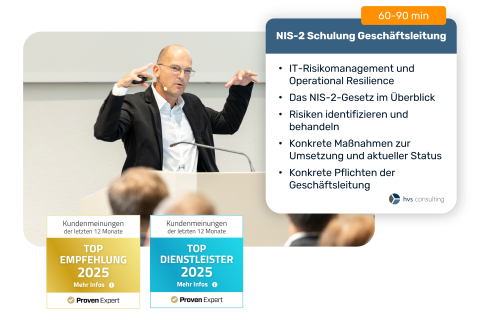
Hier entscheidet sich, ob die Schulung 60 Minuten oder 4 Stunden dauert. Für Geschäftsleitungen mit Enterprise Risk Management und einem bestehenden ISMS kann man diese Themen als bekannt voraussetzen und nur kurz streifen. Bei allen anderen ist es sehr sinnvoll, dieses substanzielle Wissen zu vermitteln, denn nur so kann die Geschäftsleitung den Stand im Unternehmen beurteilen und lenken. Schlagworte sind hier:
Der Umsetzungsstand
Wie weit sind wir denn?
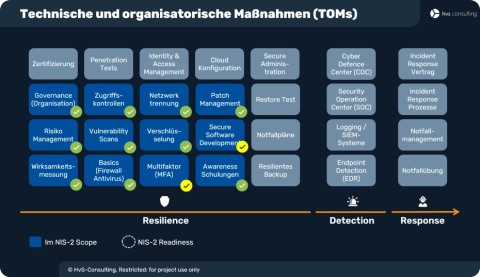
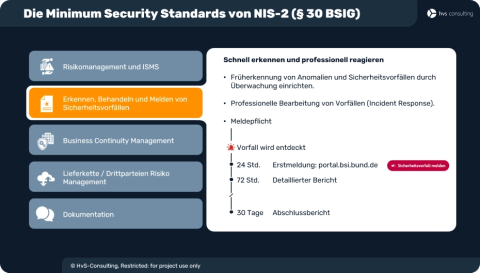
Jetzt wird es ganz konkret. Wie weit ist das Unternehmen bzw. die betroffenen Einheiten denn in der NIS-2 Readiness? Diesen Teil schulen wir i.d.R. gemeinsam mit der sicherheitsverantwortlichen Person. Den Stand der IS-2 Readiness haben wir vorab gemeinsam durch strukturierte Fragen und Diskussionen abgestimmt.
Unternehmen mit einem hohen Security-Reifegrad diskutieren hier bekannte Dinge aus vergangenen Berichten. In anderen erklären wir zusätzlich die Wechselwirkungen der einzelnen Maßnahmen.
Die Aufgaben der Geschäftsleitung
Was sind die konkreten To-Dos?
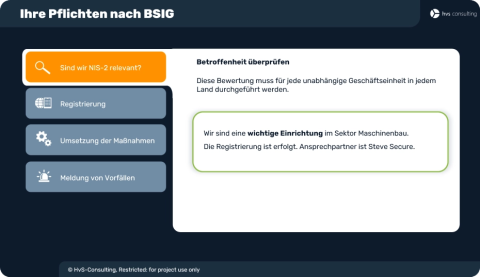
Je nach Security-Reifegrad gibt es hier völlig unterschiedliche Handlungsempfehlungen:
Kernbotschaften:
Genau so haben wir uns die Schulung vorgestellt!
CEO Rüstungbetrieb*
Das war überraschend gut! Hätte ich nicht erwartet. Vielen Dank!
CEO Maschinenbauunternehmen*
Wirklich gut. Auch für Nicht-IT-Menschen verständlich.
CFO Chemieunternehmen*
* Normalerweise versuchen wir die Zitate mit Person und Unternehmen zu belegen. Bei dieser speziellen Zielgruppe verzichten wir darauf, können aber gerne bei Bedarf Kontakt zum jeweiligen (C)ISO des Unternehmens herstellen.
Wir erklären gerne in einem Webmeeting, wie wir vorgehen, wer was wann liefern muss und was die Magie hinter einer gelungenen Schulung für Top-Manager ist.
Ja, und zwar für betroffene Unternehmen.
Die NIS-2 Richtlinie ist in Deutschland durch das BSI-Gesetz (BSIG) umgesetzt worden und schreibt explizit eine Schulungsverpflichtung vor:
Die Schulungspflicht für die Belegschaft
Best-Practice-Themen zur allgemeinen Security Awareness sind Phishing, Passwörter, Social Engineering, Ransomware, etc. Geeignete IS-FOX Trainings für die Belegschaft sind Fit für Cyber Security oder „Grundschutz Cyber Security”. Mit Videos, interaktiven Übungen, Test und Zertifikat.
Die Schulungspflicht für die Geschäftsleitung
Hier sollen Kenntnisse darüber vermittelt werden, wie Risikomanagement funktioniert, um die Situation im eigenen Unternehmen verstehen und bewerten zu können. UDie hier vorgestellte NIS-2-Schulung für Geschäftsführer erfüllt genau diesen Anspruch.
Nicht für das Top Management. Diese Zielgruppe ist prinzipiell nur eingeschränkt für E-Learning Kurse geeignet. Der C-Level eines Unternehmens lässt sich nicht einfach "berieseln", sondern stellt sehr aktive Fragen:
All diese Fragen können nur individuell beantwortet werden, nicht durch ein Standard-Training. Das BSI hat im Oktober 2025 in seinem Leitfaden zur Geschäftsleitungsschulung unter Punkt 1.3 unsere Auffassung bekräftigt:
Wichtig dabei ist, dass nicht nur abstrakte Kenntnisse vermittelt werden, sondern dass diese immer auch die individuellen Begebenheiten der Einrichtung berücksichtigen, für die die Geschäftsleitung verantwortlich ist. Insbesondere externe Schulungsanbieter müssen diese einrichtungsindividuellen Aspekte berücksichtigen, was u.U. höheren Aufwand bedeutet. Sinnvoll kann daher ein Modell sein, in dem allgemeine Inhalte von externen Anbietern oder Dienstleistern durch spezifische Inhalte ergänzt werden, die durch interne Cybersicherheitsexperten vermittelt werden.
Die Notlösung für Konzerne
Wir haben bereits für einen weltweiten Konzern mit zig betroffenen Unternehmenseinheiten und über hundert Leitungsorganen die Inhalte in ein E-Learning gegossen. In dieser Größenordnung passt der Ansatz zur geforderten Verhältnismäßigkeit.
E-Learning für Führungskräfte und Mitarbeiter
Die Umsetzung von NIS-2 im Unternehmen funktioniert umso einfacher, je mehr Verständnis in der Belegschaft für das Thema herrscht. Diese Verständnis schafft unser allgemeines E-Learning zu NIS-2. Es ersetzt aber nicht die Schulung für Geschäftsführer.
Nein. Im Gesetz selbst (dem BSIG) steht nichts spezifisches zu Inhalt oder Dauer:
§ 38 BSIG: "Die Geschäftsleitungen […] müssen regelmäßig an Schulungen teilnehmen, um ausreichende Kenntnisse und Fähigkeiten zur Erkennung und Bewertung von Risiken und von Risikomanagementpraktiken im Bereich der Sicherheit in der Informationstechnik zu erlangen sowie um die Auswirkungen von Risiken sowie Risikomanagementpraktiken auf die von der Einrichtung erbrachten Dienste beurteilen zu können."
Das BSI hat diese Anforderung in einer Handreichung (Empfehlung) konkretisiert. Die Inhalte dieser Handreichung entsprechen einer sehr fundierten Schulung im Bereich Risikomanagement.
Es kommt also immer darauf an. Unsere Zeitangabe von 60 - 90 Minuten bezieht sich auf Unternehmen mit einem relativ hohen Reifegrad in der Cyber Security.
Ja. Artikel 30, Absatz 2 BSIG fordert eine „grundlegende Schulungen und Sensibilisierungsmaßnahmen im Bereich der Sicherheit in der Informationstechnik.“
Das sind erst einmal die klassischen Security Awareness Themen: Phishing, Passwörter, Social Engineering, Ransomware, etc. Diese Anforderung wird also durch die gängigen Schulungen am Markt abgedeckt.
Aber für eine erfolgreiche Umsetzung von NIS-2 benötigt man auch Verständnis für die Maßnahmen, insbesondere bei Führungskräften. Sie sind im Fachbereich die Information Owner , sie müssen Risiken bewerten, Ressourcen zur Verfügung stellen, Maßnahmen kontrollieren, usw. Ohne ausreichender Kenntnis und Verständnis für NIS-2 ist das nahezu unmöglich. Deshalb empfehlen wir, Führungskräfte entsprechend zu schulen. Wir haben hierfür einen kompakten E-Learning Kurs mit ca. 25 min Länge.
Weitere E-Learning-Kurse